These 3rd grade spelling lists cover the rules the Common Core State Standards name for adding a suffix in 3rd grade, with their own examples: sitting, smiled, cries and happiness. They also cover er, ir and ur, the prefixes dis-, non- and pre-, the suffixes -ful, -less and -ness, and common homophones.
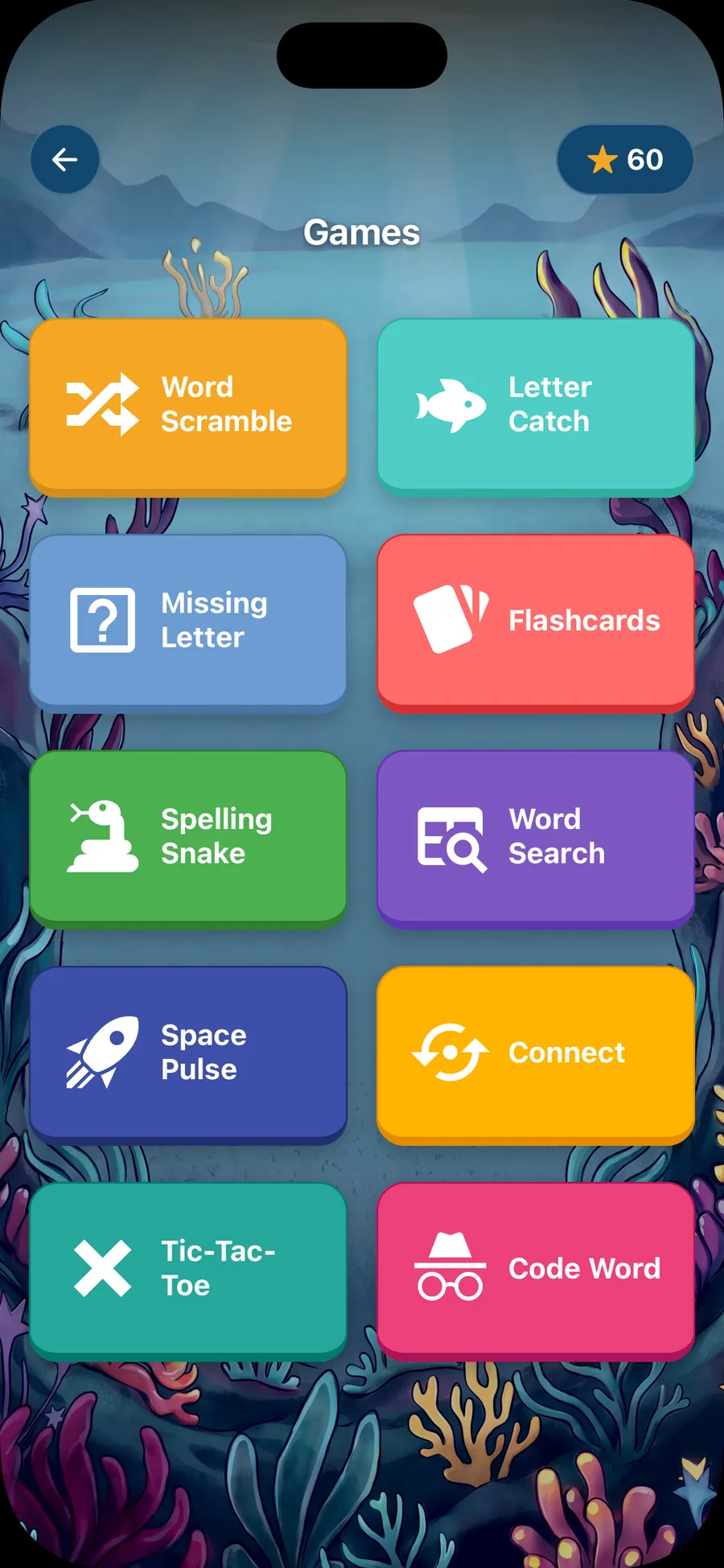
Each list has 10 words, a week’s list for most children of 8 or 9. Play a list to hear the words in US English and try the games. When you’re ready to use one, make it a class list, add or swap words, and share the link.
Double the last letter
When a short word ends in one vowel and one consonant, double the consonant before -ing or -ed: sit, sitting; hug, hugged.
- sitting
- running
- getting
- winning
- humming
- grabbed
- hugged
- nodded
- stepped
- zipped
Drop the silent e
When a word ends in a silent e, drop the e before adding -ing or -ed: smile, smiling; trade, traded.
- smiling
- writing
- taking
- giving
- shining
- liked
- raced
- traded
- joked
- hiked
Change y to i
When a word ends in a consonant and y, change the y to i before adding -es, -ed, -er, -est or -ness: cry, cries; happy, happiness.
- cries
- ponies
- cities
- cherries
- happiness
- easier
- silliest
- studied
- hurried
- replied
er, ir and ur
All three spell the same sound, as in her, bird and fur. You can’t hear which one a word uses, so learn each word with its spelling.
- person
- clerk
- perfect
- first
- girl
- third
- thirsty
- nurse
- purple
- curly
Prefixes: dis-, non- and pre-
A prefix adds a meaning to the front of a word: dis- means not or the opposite, non- means not, and pre- means before. The base word keeps all its letters.
- disappear
- dishonest
- disobey
- disconnect
- nonstop
- nonfiction
- nonsense
- pretest
- precut
- premade
Suffixes: -ful, -less and -ness
The suffix -ful means full of, and -less means without. The suffix -ness turns a describing word into a thing: sad, sadness.
- colorful
- powerful
- peaceful
- seedless
- cloudless
- breathless
- sadness
- darkness
- softness
- goodness
Common homophones
Each group sounds the same and is spelled differently. A short hint on screen says which word is meant.
- to
- too
- two
- there
- their
- they're
- ate
- eight
- blue
- blew
Hints for words that sound alike
When a list has a word that sounds like another word, such as their and there, each game shows a short hint under the Hear it button, so students know which spelling is meant. For their the hint is “belongs to them”, and for there it is “that place”. There’s nothing to set up.
Where these patterns come from
Each list is built on a spelling pattern in these 3rd grade standards from the Common Core State Standards for English Language Arts. The words are original and aren’t copied from any published spelling program.
- L.3.2e: “Use conventional spelling for high-frequency and other studied words and for adding suffixes to base words (e.g., sitting, smiled, cries, happiness).” Lists: Double the last letter; Drop the silent e; Change y to i; Common homophones.
- L.3.2f: “Use spelling patterns and generalizations (e.g., word families, position-based spellings, syllable patterns, ending rules, meaningful word parts) in writing words.” Lists: er, ir and ur.
- RF.3.3a: “Identify and know the meaning of the most common prefixes and derivational suffixes.” Lists: Prefixes: dis-, non- and pre-; Suffixes: -ful, -less and -ness.
Many states publish their own English language arts standards, which may differ from the Common Core. These lists follow the Common Core State Standards, so check them against your state’s standards and your school’s scope and sequence.
Source: Common Core State Standards Initiative, frequently asked questions.
Standards quoted from the Common Core State Standards for English Language Arts (National Governors Association Center for Best Practices and Council of Chief State School Officers, Washington, D.C., 2010) under the Common Core State Standards Public License. © Copyright 2010. National Governors Association Center for Best Practices and Council of Chief State School Officers. All rights reserved. The National Governors Association Center for Best Practices and the Council of Chief State School Officers are the sole owners and developers of the Common Core State Standards. They did not make these lists and do not endorse Spelling Stream for Teachers.
Questions
Why do sitting and smiling follow different rules?
Sit ends in one vowel and one consonant, so the t doubles before -ing. Smile ends in a silent e, so the e drops before -ing. The double letter keeps the vowel short, and one letter lets it say its name.
Can different spelling groups get different lists?
Yes. Make a class list for each group. Each list gets its own link and QR code, and you can keep up to 25 lists.
Do the games keep scores?
No. Nothing is scored or recorded, and nothing is sent back to the teacher. Students can play a list as many times as they like.
Other grades
- 2nd grade spelling words
- 4th grade spelling words
- 1st grade spelling words
- 5th grade spelling words
- Kindergarten spelling words
Spelling words for every grade, and how the class link works