These 5th grade spelling lists cover -able and -ible, Greek and Latin roots, ie and ei, the prefixes inter-, super- and trans-, the endings -cial, -tial and -ous, and harder homophones. Photosynthesis, one of the examples the Common Core State Standards give for 5th grade roots, is on the Greek roots list.
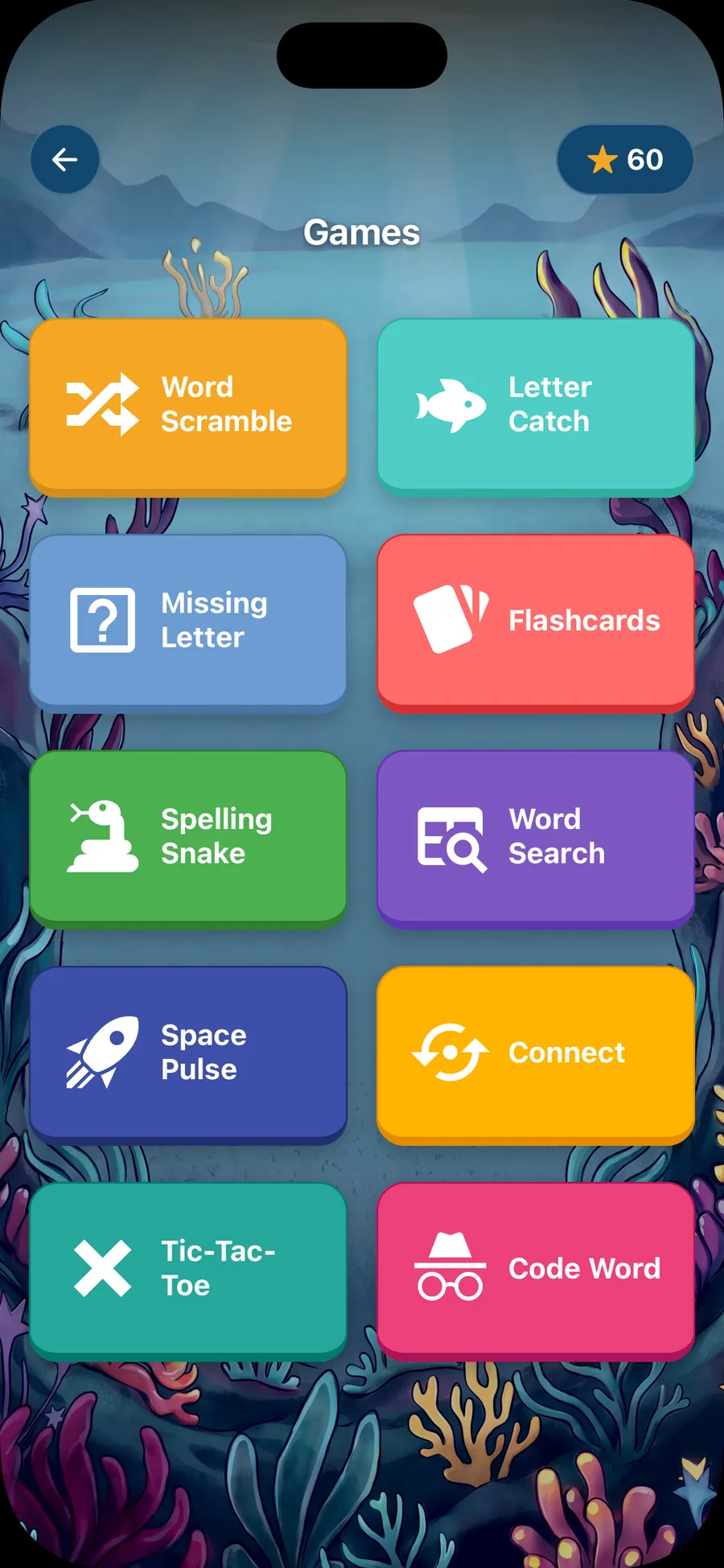
Each list has 10 words, for students who are mostly 10 or 11. Play a list in US English, or make it a class list and change the words to suit your class before you share the link.
-able and -ible
The ending -able usually follows a whole word you can still see: suit, suitable; agree, agreeable. The ending -ible usually follows a part that isn’t a word on its own, such as the aud in audible.
- adorable
- reliable
- suitable
- remarkable
- agreeable
- flexible
- incredible
- invisible
- audible
- legible
Greek roots: photo, hydro and meter
In Greek, photo means light, hydro means water and meter means measure. A speedometer measures speed, and in photosynthesis plants use light to make food.
- photosynthesis
- hydrant
- hydrate
- dehydrate
- barometer
- speedometer
- pedometer
- kilometer
- centimeter
- millimeter
Latin roots: rupt and scrib
In Latin, rupt means break, and scrib and script mean write. To interrupt is to break in, and manuscript first meant a book written by hand.
- erupt
- interrupt
- disrupt
- abrupt
- describe
- subscribe
- transcribe
- script
- manuscript
- description
ie and ei
When the sound is long e, i usually comes before e, as in shield, except after c, as in receipt. When ei says long a, as in neighbor and freight, that rule doesn’t apply.
- shield
- yield
- relief
- niece
- briefcase
- receipt
- perceive
- neighbor
- beige
- freight
Prefixes: inter-, super- and trans-
From Latin, inter- means between, super- means above or beyond, and trans- means across. The prefix keeps its spelling: inter + act, trans + form.
- interview
- interact
- intersection
- international
- supermarket
- supersonic
- superstar
- translate
- transform
- transparent
-cial and -tial
Both endings sound like shul. A related word often shows which to use: face, facial; office, official; part, partial.
- special
- official
- social
- artificial
- facial
- beneficial
- initial
- partial
- essential
- potential
-ous and -ious
Both endings sound like us and make a describing word: humor, humorous; space, spacious.
- nervous
- humorous
- courageous
- gorgeous
- delicious
- spacious
- precious
- various
- obvious
- previous
Harder homophones
Each pair sounds the same in US English. A short hint on screen says which word is meant, such as “not moving” for stationary.
- principal
- principle
- stationary
- stationery
- coarse
- course
- passed
- past
- aisle
- isle
Harder settings for older students
You can make the games harder for any class list. In the editor, set Missing letter to hide up to 3 letters, have students type the missing letters on the keyboard instead of tapping a tile, or add extra letters to Scramble that don’t belong. The editor shows what students will see.
Where these patterns come from
Each list is built on a spelling pattern in these 5th grade standards from the Common Core State Standards for English Language Arts. The words are original and aren’t copied from any published spelling program.
- RF.5.3a: “Use combined knowledge of all letter-sound correspondences, syllabication patterns, and morphology (e.g., roots and affixes) to read accurately unfamiliar multisyllabic words in context and out of context.” Lists: -able and -ible; ie and ei; Prefixes: inter-, super- and trans-; -cial and -tial; -ous and -ious.
- L.5.2e: “Spell grade-appropriate words correctly, consulting references as needed.” Lists: -able and -ible; ie and ei; -cial and -tial; -ous and -ious; Harder homophones.
- L.5.4b: “Use common, grade-appropriate Greek and Latin affixes and roots as clues to the meaning of a word (e.g., photograph, photosynthesis).” Lists: Greek roots: photo, hydro and meter; Latin roots: rupt and scrib; Prefixes: inter-, super- and trans-.
Many states publish their own English language arts standards, which may differ from the Common Core. These lists follow the Common Core State Standards, so check them against your state’s standards and your school’s scope and sequence.
Source: Common Core State Standards Initiative, frequently asked questions.
Standards quoted from the Common Core State Standards for English Language Arts (National Governors Association Center for Best Practices and Council of Chief State School Officers, Washington, D.C., 2010) under the Common Core State Standards Public License. © Copyright 2010. National Governors Association Center for Best Practices and Council of Chief State School Officers. All rights reserved. The National Governors Association Center for Best Practices and the Council of Chief State School Officers are the sole owners and developers of the Common Core State Standards. They did not make these lists and do not endorse Spelling Stream for Teachers.
Questions
Are there lists for 6th grade?
No. These lists cover kindergarten to 5th grade. A 6th grade teacher can type any words into a class list, up to 40 a list.
What if a list is too easy for some students?
Make it a class list and add harder words with the same pattern, such as more -ible words or longer roots. Each list gets its own link, so a second group can have a harder list.
Can I print the words?
Yes. Every class list has a one-page flyer with the words, a QR code and the link, ready to print and send home.
Other grades
- 4th grade spelling words
- 3rd grade spelling words
- 2nd grade spelling words
- 1st grade spelling words
- Kindergarten spelling words
Spelling words for every grade, and how the class link works