These Year 4 spelling lists are built on the spelling patterns in the New Zealand Curriculum English for Year 4, such as soft c and g, the ey in they, and adding un-, dis-, -ful and -less. Year 4 also brings in doubling a letter before an ending, words that end in -le, and common homophones. Most children in Year 4 are 8 or 9.
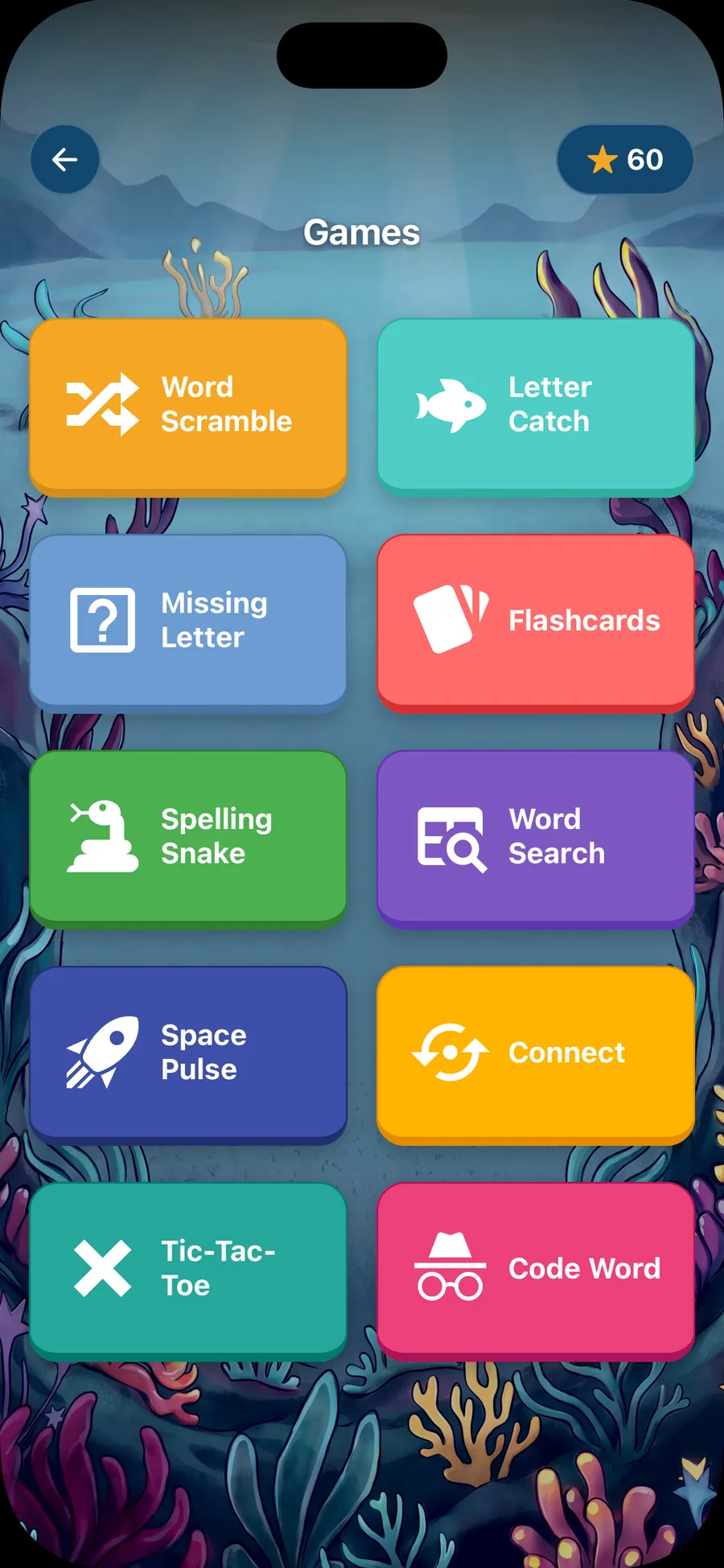
Each list has 10 words and is read aloud in Australian English. There is no New Zealand English voice, so lists play in Australian or US English. Play a list now, or copy it into a class list, change the words to suit your spelling groups, and share one link.
Long a: ea and ey
In a few words, ea and ey spell a long a, like the ey in they.
- break
- daybreak
- steak
- great
- greatest
- grey
- greyhound
- obey
- survey
- convey
Long e at the end: y and ey
At the end of a longer word, y usually says e. Some words use ey instead.
- sunny
- windy
- puppy
- jelly
- money
- honey
- monkey
- valley
- chimney
- trolley
Long i: igh, y and ie
igh sits inside a word or at the end. y and ie come at the end.
- bright
- flight
- tight
- sigh
- fly
- sky
- shy
- why
- pie
- tie
oe, ew and ue
oe says o, as in go. ew and ue say oo, or yoo as in few.
- toe
- goes
- tiptoe
- chew
- few
- grew
- stew
- clue
- glue
- true
Soft c and soft g
Before e, i or y, c usually says s, and g often says j.
- city
- face
- ice
- circle
- fence
- giant
- gentle
- magic
- huge
- page
un-, dis-, re-, -ful and -less
Add the prefix or suffix to the whole word. The base word keeps all its letters.
- unfair
- untidy
- dislike
- disagree
- rebuild
- careful
- thankful
- colourful
- fearless
- spotless
Doubling, and words that end in -le
A double consonant keeps the vowel before it short: hop, hopping; bubble.
- hopping
- skipped
- planned
- biggest
- wettest
- bubble
- puddle
- little
- giggle
- kettle
Common homophones
Each pair sounds the same. The meaning tells you which spelling to use.
- pair
- pear
- meat
- meet
- hole
- whole
- male
- stair
- stare
Homophone hints in the games
The last set pairs words that sound the same, such as pair and pear. When a list has a word like that, every game shows a short hint on screen under the Hear it button, so a child who hears “pear” knows to spell the fruit. The hints are built in, with nothing to set up.
Spelling groups by level
If your class groups spelling by what children know rather than by year, treat these pages as levels: a group still unsure of oa and ow can work from the Year 3 sets, and a group that has these patterns can start on Year 5. Each group’s list gets its own link, and you can keep up to 25 lists.
Where these patterns come from
For Year 4 the New Zealand Curriculum English adds more vowel spellings, among them ea and ey for a long a, y and ey for a long e, igh, oe, ew and ue. It also covers soft c and g, the prefixes un-, dis- and re-, the suffixes -est, -ful and -less, doubling, consonant -le and common homophones. The words are our own. This is not a Ministry of Education list, and the Ministry did not make or endorse it.
Questions
Why does hopping have a double p?
When a short word ends in one vowel and one consonant, the consonant doubles before an ending that starts with a vowel: hop, hopping; big, biggest. The double letter keeps the vowel short. With one p, the word would be hoping.
When does c say s?
Usually when e, i or y comes next, as in city and face. g often follows the same pattern, as in giant and gentle, but not always: get and girl keep a hard g.
How do children know which homophone to spell?
The games show a short hint on screen for words that sound like another word. For pear the hint is “green fruit”, and for pair it is “set of two”.
Where do ea and ey say a?
Only in a few words, such as break, great, grey and obey. Most of the time ea says the e in leaf and ey says the e in key, so these words are worth learning as a small group.
Other years
- Year 3 spelling list
- Year 5 spelling list
- Year 2 spelling list
- Year 6 spelling list
- Year 1 spelling list
All spelling lists for New Zealand, and how the class link works